
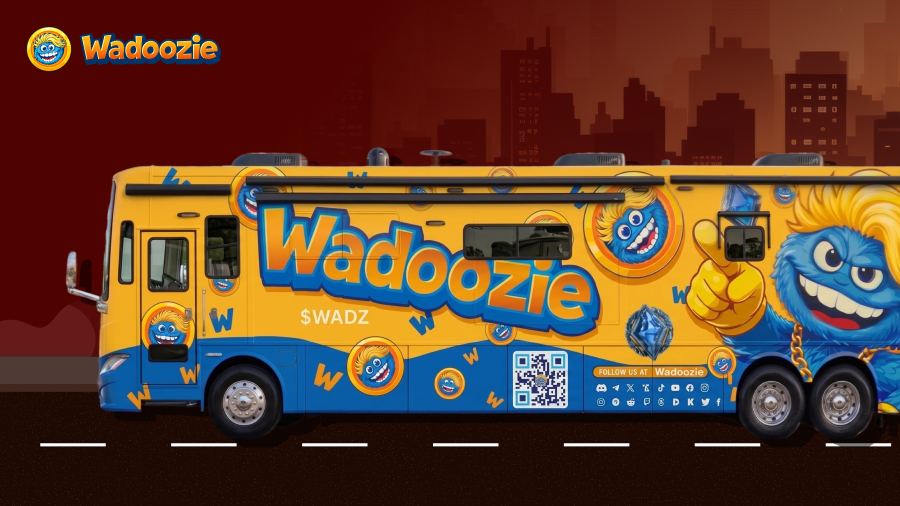
Ang Pangkalahatang-ideya ng Bus
Ang bus ay isa sa pinakamalinaw na simbolo sa Wadoozie ecosystem.
Ipinapakita nito na ang misyon ay gumagalaw sa totoong mundo, hindi nananatiling nakatago sa likod ng mga screen. Kapag nakita ng mga tao ang bus, nakikita nila ang patunay na ang network ay aktibo at ang kuwento ay nangyayari sa publiko. Gumagana ang bus sa tatlong pangunahing paraan.
Simbolo ng totoong mundo ng misyon. Ginagawang nakikita ng bus ang misyon. Nagbibigay ito sa kuwento ng isang tunay na pisikal na anyo na maaaring sundin ng mga tao.
Mobile activation layer. Inilipat ng bus ang misyon mula sa node patungo sa node. Nagdadala ito ng signal sa pamamagitan ng network at tumutulong na buhayin ang mga pag-activate.
Pampublikong visibility engine. Lumilikha ang bus ng mga sandaling mapapanood, mai-clip, maibabahagi, at matutugunan ng mga tao. Tinutulungan nito ang system na manatiling nakikita sa parehong real-world at digital na espasyo.
Ang bus ay hindi disenyo sa background. Ito ay isang pangunahing bahagi kung paano nagiging totoo ang network.
Bakit Mahalaga ang Bus
Ang bus ay mahalaga dahil ito ay higit pa sa paglipat ng lugar patungo sa lugar.
Hindi lang transportasyon. Ang bus ay hindi lang naroroon para magdala ng Wadoozie sa mga lokasyon. Ito ay bahagi ng mismong sistema.
Catalyst para sa pag-activate ng node. Sa bawat oras na maabot ng bus ang isang bagong estado o huminto, nakakatulong ito sa pag-trigger ng pag-activate. Iyon ay nagbibigay sa node ng real-world point of contact at ginagawang mas madaling sundin ang misyon.
Pisikal na anchor para sa isang live na system. Ang Wadoozie ay isang live, pampublikong network. Ang bus ay nagbibigay sa sistemang iyon ng pisikal na sentro. Ginagawa nitong nakikitang paggalaw ang abstract na kuwento.
Kung wala ang bus, maaaring umiral pa rin ang misyon. Ngunit mawawala ang isa sa pinakamalakas nitong signal sa totoong mundo.
Ang Paglilibot sa Isang Sulyap
Ang 48-state tour ay tumatakbo nang humigit-kumulang apat at kalahating buwan, na nagbubukas sa huli ng Mayo at nagsasara sa katapusan ng Setyembre. Ang bus ay magsisimula sa Texas gamit ang Austin Flagship at isinara ang loop pabalik sa Louisiana na may pagbabalik sa New Orleans — kumpletuhin ang paglalakbay sa parehong heograpiya at narrative.
Ang tour ay nakabalangkas bilang 8 Tour Acts na nagpapangkat ng magkadikit na activation ng estado sa mga single story beats. Ang pito sa mga activation ay Flagship na mga lungsod — pinalawig, mataas na produksyon na mga pananatili na nakaangkla sa narrative spine ng tour. Ang natitirang mga stop ay isang halo ng Secondary activation at Blow-Through stop na kumokonekta sa kanila.
Ang 8 Tour Acts
Ang bawat Tour Act ay may natatanging heograpiya, ritmo, at narrative beat. Palaging binubuksan o isinasara ng mga Flagship ang kanilang Act — hindi kailanman ibinaon sa kalagitnaan ng arko — at ang Acts with Flagships ay pinagsasama-sama ng connector Acts na nagbibigay ng espasyo sa paghinga ng audience.
Act I — Ang West Coast Landing. Texas → New Mexico → Arizona → California. Dalawang Flagship. Nagla-landfall ang signal. Binuksan ni Austin ang paglilibot, ang pagtawid sa disyerto ay nagdadala ng signal sa kanluran, at isinara ng California ang Act I bilang pangalawang Flagship. Isang malinis na silangan hanggang kanlurang baybaying arko.
Act II — Vegas at The Mountain West. Nevada → Utah → Idaho → Oregon → Washington → Montana. Isang Flagship. Nagbubukas nang malakas sa Flagship ng Las Vegas, pagkatapos ay kumukupas ang signal sa tahimik na Mountain West at Pacific Northwest, na nagtatapos sa Montana sky country. Magsimula nang maliwanag, magtatapos nang malawak.
Act III — The High Plains. North Dakota → South Dakota → Nebraska → Wyoming → Colorado. Walang Flagship. Ang malawak na tahimik na kahabaan bago ang silangang pagliko. Theodore Roosevelt National Park, Mt. Rushmore, Cheyenne, Denver. Landscape-heavy, drone-driven, mas mababang production load.
Act IV — Heartland Turn. Oklahoma → Arkansas → Missouri → Kansas → Minnesota → Wisconsin → Iowa → Illinois. Isang Flagship. Ang pivot silangan. Heartland hanggang Upper Midwest, nagsasara sa Chicago Flagship — ang unang eastern climax ng tour.
Act V — Rust Belt. Indiana → Kentucky → Ohio → Michigan → Pennsylvania → West Virginia. Walang Flagship. Ang pang-industriyang koridor. Indianapolis, Louisville, Cincinnati, Detroit, Cleveland, Pittsburgh, Philadelphia, Morgantown — ang tulay mula Midwest hanggang East Coast.
Act VI — New England Loop. New York (upstate) → Vermont → Maine → New Hampshire → Massachusetts → Rhode Island → Connecticut. Walang Flagship. Binuksan ng Buffalo at Niagara Falls ang Act, pagkatapos ay pataas sa Vermont at Maine, pababa sa Boston, at palabas sa baybayin ng New England hanggang Connecticut. Ang malaking hilagang bilog.
Act VII — NYC + Mid-Atlantic Descent. New York (NYC) → New Jersey → Delaware → Maryland → Washington DC → Virginia → North Carolina. Isang Flagship. Nagbubukas sa NYC Flagship — ang pinakamatagal na solong lungsod na pananatili ng tour sa loob ng 10 araw. Pagkatapos ay bumaba sa Mid-Atlantic, ang Capital, at sa North Carolina. Eastern-seaboard crescendo na sinusundan ng isang kontroladong pagbaba.
Act VIII — The Finale. South Carolina → Georgia → Florida → Alabama → Tennessee → Mississippi → Louisiana. Dalawang Flagship. Southeast crescendo. Ang Miami ay nasa kalagitnaan ng Act, ang Nashville ay nagsasara bilang ang kasukdulan, pagkatapos ay bumalik sa Mississippi hanggang Louisiana. Ang loop ay nagsasara kung saan ito nagsimula.
Mga Tier ng Pag-activate
Hindi lahat ng hinto ay may parehong timbang. Ang paglilibot ay tumatakbo sa isang three-tier na istraktura na tumutukoy kung gaano katagal mananatili ang Wadoozie, kung gaano kabigat ang produksyon, at kung gaano kalaki ang activation na binuo nang maaga.
Ang Flagship activation ay ang pitong pangunahing sandali ng lungsod — Austin, California, Las Vegas, Chicago, NYC, Miami, at Nashville. Ang mga ito ay pinalawig, mataas na produksyon na pananatili na nakaangkla sa bawat Tour Act. Ang NYC ang pinakamatagal sa 10 araw.
Ang Secondary activation ay ang mga sumusuportang state stop na may ganap na pag-activate ngunit mas magaan na produksyon kaysa sa Flagships.
Ang Blow-Through stops ay ang mga activation ng connector na nagpapagalaw ng signal sa pagitan ng mas malalaking sandali. Mas maliit na footprint, mas mabilis na bilis, ngunit ang bawat node ay nag-a-activate pa rin at ang bawat estado ay naglalabas pa rin ng pitong Signal Fragment nito.
Ipinaliwanag ang Paglalakbay sa Pag-activate
Ang pag-activate ay hindi lamang isang kaganapan. Ito ay isang pagkakasunod-sunod.
- Route. Ang misyon ay gumagalaw patungo sa isang estado o node. Maaaring subaybayan ng mga tao ang ruta at maunawaan kung saan nabubuo ang atensyon.
- Pagdating. Nakarating ang bus sa lugar. Inilipat nito ang atensyon mula sa "malapit na" patungo sa "mangyayari ngayon."
- Pag-activate. Nagiging aktibo ang node. Ang kuwento ay bubukas sa lokasyong iyon, at ang misyon ay nagsimulang lumikha ng nakikitang momentum.
- Mga Fragment. Ang mga Signal Fragment ay papasok sa field. Ang pitong fragment ng bawat estado — 4 Karaniwan, 1 Hindi Karaniwan, 1 Bihira, at 1 Maalamat — mag-live. Nagsisimulang mahalaga ang mga pahiwatig, at nagiging posible ang pakikilahok.
- Mga sandali ng komunidad. Nagsisimulang mag-react ang mga tao. Nagpo-post sila, nag-clip, nagpapakita, sumusunod sa mga pahiwatig, o sumasali sa misyon sa iba't ibang paraan.
- Pag-unlad. Ang node ay umuusad. Ang mga update sa mapa, ang kuwento ay sumusulong, at ang misyon ay nagpapatuloy sa susunod na yugto.
Ang daloy na ito ay tumutulong sa mga tao na maunawaan na ang mga pag-activate ay hindi random. Sinusunod nila ang isang pattern sa loob ng mas malaking network.
Kasalukuyang Mission Logic
Ang kasalukuyang misyon ay nagsasabi sa mga tao kung saan nakatutok ang network ngayon. Palagi nitong sinasagot ang tatlong simpleng tanong.
Ano ang aktibong node? Ito ay nagsasabi sa mga user kung aling estado o lugar ang kasalukuyang nakatira.
Ano ang kasalukuyang focus ng ruta? Ipinapakita nito kung saan gumagalaw ang misyon at kung anong bahagi ng ruta ang mahalaga ngayon.
Ano ang live na pag-unlad? Ipinapakita nito kung anong yugto na ang naabot ng misyon — natukoy ang signal, live na pag-activate, aktibo ang mga fragment, o isinasagawa ang progreso.
Ang kasalukuyang lohika ng misyon ay mahalaga dahil ang mga tao ay hindi dapat makaramdam ng pagkawala kapag binuksan nila ang platform. Dapat mabilis nilang maunawaan kung ano ang nangyayari ngayon.
Kwento ng Ruta at Mga Highlight sa Paglalakbay
Ang ruta ay hindi lamang isang linya sa isang mapa. Ito ay nagsasabi ng isang kuwento.
Habang gumagalaw ang misyon, lumilikha ang ruta ng talaan kung saan nanggaling ang Wadoozie, kung aling mga node ang na-activate, anong mga sandali ang mahalaga, at kung paano lumago ang network.
Major stops. Ang ilang stop ay mas namumukod-tangi kaysa sa iba. Ang mga flagship ay nagdadala ng pinakamalakas na pag-activate at pinakamalalaking sandali, ngunit ang mga Secondary stop ay kadalasang nagbubunga ng pinaka nakakagulat na mga turnout sa komunidad.
Act structure. Ang tour ay gumagalaw sa walong Tour Acts na nagpapabilis sa paglalakbay bilang walong natatanging salaysay. Ang Acts with Flagships ay pinaghihiwalay ng connector Acts na nagbibigay sa audience ng breathing room.
Mga highlight ng lungsod. Ang bawat lungsod o estado ay maaaring magkaroon ng sarili nitong mga natatanging sandali, visual, pahiwatig, o mga marker ng pag-unlad.
Mga kapansin-pansing sandali. Kabilang sa mga mahahalagang kaganapan sa ruta ang mga unang pag-activate, mga pambihirang sandali ng fragment, malakas na pagpasok sa komunidad, mga milestone sa misyon, at mga pangunahing sandali sa lipunan.
Ang ruta ay nagiging mas makabuluhan kapag ang mga gumagamit ay maaaring tumingin pabalik at makita kung paano idinagdag ang bawat paghinto sa mas malaking network.
Mga Sandali ng Komunidad
Ang mga sandali ng komunidad ay ang pampublikong enerhiya sa paligid ng misyon. Ipinakikita nila na ang network ay hindi lamang lumilipat sa mga lungsod. Gumagalaw din ito sa mga tao.
Mga sandali ng user. Ito ang mga sandaling nilikha ng mga tao sa komunidad — mga reaksyon, pagkikita-kita, clip ng nilalaman, lokal na pakikilahok, at mga pagtuklas na nauugnay sa fragment.
Mga highlight ng kaganapan. Namumukod-tangi ang ilang sandali dahil nakukuha nila ang malakas na mission energy, real-world presence, o major progress.
Mga snapshot ng misyon. Maaliwalas na mga eksena na tumutulong sa mga tao na maunawaan kung nasaan ang misyon ngayon at kung ano ang pakiramdam ng network sa sandaling iyon.
Social amplification. Lalong tumitindi ang mga sandali ng komunidad kapag ibinabahagi ito ng mga tao. Ang mga social post, clip, at remix ay nagdadala ng lokal na enerhiya sa mas malawak na network.
Ito ang isang dahilan kung bakit napakahalaga ng bus at mga pag-activate. Hindi lang sila gumagawa ng kwento. Lumilikha sila ng mga sandali na matutulungan ng mga tao na kumalat.
On-the-Ground Participation
May mga taong sasali sa misyon nang personal. Para sa kanila, dapat gawing madaling maunawaan ng platform ang pakikilahok.
Saan titingin. Dapat alam ng mga user kung saan mahahanap ang aktibong estado, ang kasalukuyang node, mga update sa misyon, mga clue drop, mga signal ng fragment, at impormasyon ng lokal na kaganapan.
Paano makisali. Maaaring kabilang sa partisipasyon sa lupa ang pagsunod sa ruta, pagpapakita sa mga aktibong node, panonood ng mga live na pahiwatig, pagsali sa mga sandali ng lokal na misyon, at pakikilahok sa mga kaganapan sa komunidad.
Ano ang aasahan. Maaaring kabilang sa mga pag-activate ang live na paggalaw, presensya ng komunidad, mga sandali ng clue, pagkuha ng nilalaman, at posibleng mga pagkakataon sa fragment. Ang mga flagship stay ay mas mahaba at mas madaling magplano. Ang mga pangalawang paghinto ay mas naka-compress. Mabilis na gumagalaw ang mga paghinto ng Blow-Through — lumabas nang maaga.
Paano lumalabas ang mga pahiwatig. Maaaring lumabas ang mga pahiwatig sa pamamagitan ng livestream, ang node page, mga social channel, mga sandali ng kaganapan, at mga senyas ng komunidad.
Kung mas malinaw na ipinapaliwanag ito ng platform, nagiging mas madali para sa mga tao na lumipat mula sa panonood patungo sa paglahok.